








何国申医生
结直肠及普通外科顾问医生
内外全科医学学士 (新加坡),医学硕士 (普外科)(新加坡)
爱丁堡皇家外科学院院士(普外科),新加坡医学院院士
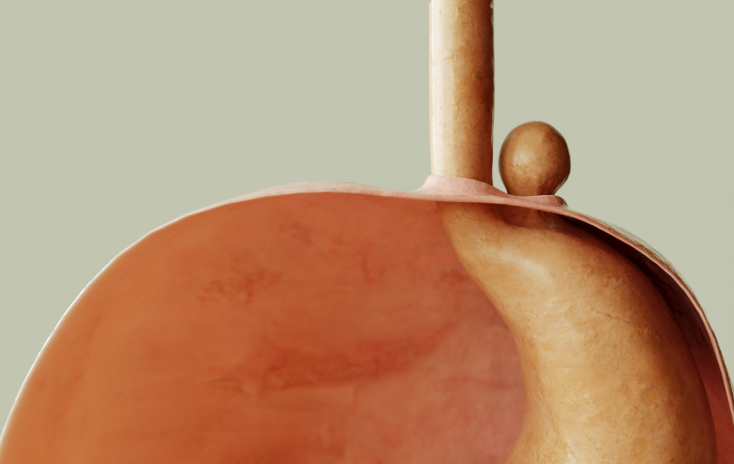
什么是疝气?
当某个器官移位并穿过周围组织(筋膜)或肌肉时,就之称为疝气。通常是由筋膜或肌肉无力和过度使力造成。在过度挤压下,器官便会从空隙(薄弱处)穿过。
不适当的提重物、长期腹泻或便秘、持续咳嗽或打喷嚏、肥胖、吸烟和营养不良,都可能引起疝气。年龄、怀孕、损伤和手术有可能使肌肉无力,从而引起疝气。
疝气不仅会导致明显突起;器官若被困在腔内,甚至可能引起并发症。
如有任何症状,应立即求医。

疝气种类
What Are the Symptoms of a Hernia?
What Happens if a Hernia Is Left Untreated?
How Do Doctors Diagnose Hernias?
疝气手术类型
What Should I Expect During Hernia Surgery?
疝气手术风险
在有经验的外科医生手中,疝气修复是项非常安全且成熟的手术。
How Do I Prepare for Hernia Surgery?
Proper preparation for hernia surgery in Singapore is essential for a smooth procedure and recovery. Follow these steps as advised by your hernia doctor:
- Follow preoperative instructions: Your doctor will provide specific guidelines, which often include fasting for a set number of hours before the operation. You may also be advised to stop taking certain medications or supplements that could interfere with anaesthesia or increase the risk of bleeding.
- Arrange transportation: Since anaesthesia and postoperative pain medication can impair your ability to drive, it is important to organise someone to accompany you to and from the hospital on the day of your surgery.
- Discuss your medical history: Inform your hernia surgeon of any chronic conditions, allergies or past reactions to anaesthesia. This helps ensure a safer surgical experience.
- Prepare your recovery space: Set up a comfortable area at home with essentials like loose clothing, prescribed medications and easy-to-reach necessities to minimise movement during the initial recovery phase.
By carefully following your doctor’s instructions and planning ahead, you can help ensure a safer procedure and a smoother recovery.
术后护理
术后,手术部位可能会出现疼痛和肿胀。这些症状可透过休息或药物来管理,并会在1星期内消退。
某些情况下,病患可能会被要求穿戴束腹带或绷带来支撑腹部和臀部。根据医生建议,病患有可能得全天穿戴。如有额外伤口换药,也得进行更换。
1至2周后,病患可恢复轻度运动和性活动。多数病患也能返回工作岗位并恢复日常活动。但在术后的4至6周,病患还是应避免剧烈运动和提重物。
何国申结直肠中心是家一站式结直肠中心,专为结直肠疾病,如疝气、痔疮、结肠息肉和结肠癌提供管理。
Frequently Asked Questions About Hernias
When should you see a doctor for a hernia?
As soon as you suspect you have a hernia, you should seek out medical attention. You may want to do so if you notice:
- A new or sudden swelling in the abdomen or groin
- Persistent or worsening abdominal pain
- A hernia bulge that changes colour, becomes firm or painful
- Nausea, vomiting or difficulty passing stool
How can I prevent hernias from forming?
Do all hernias require surgery?
How do hernias develop?
我们的结直肠外科医生结直肠专科医生

何国申医生
结直肠及普通外科顾问医生
内外全科医学学士 (新加坡),医学硕士 (普外科)(新加坡)
爱丁堡皇家外科学院院士(普外科),新加坡医学院院士
十多年来,何国申医生一直致力于治疗疝气。他是亚细安肛肠外科医学会和新加坡肛肠外科医学会的前任会长,同时也是欧亚肛肠科技协会的创始成员。何医生积极参与培训医科生及住院医生,并在知名期刊和书籍章节中广泛发表文章。他认为治疗始终应根据病患的需要进行个性化处理。