


Your Colorectal Health, Our Priority
With our comprehensive suite of screening services and treatment options, our experienced colorectal specialist and medical team promise you peace of mind whilst ensuring a strong and healthy colon.




Dr Ho Kok Sun
Consultant Colorectal & General Surgeon
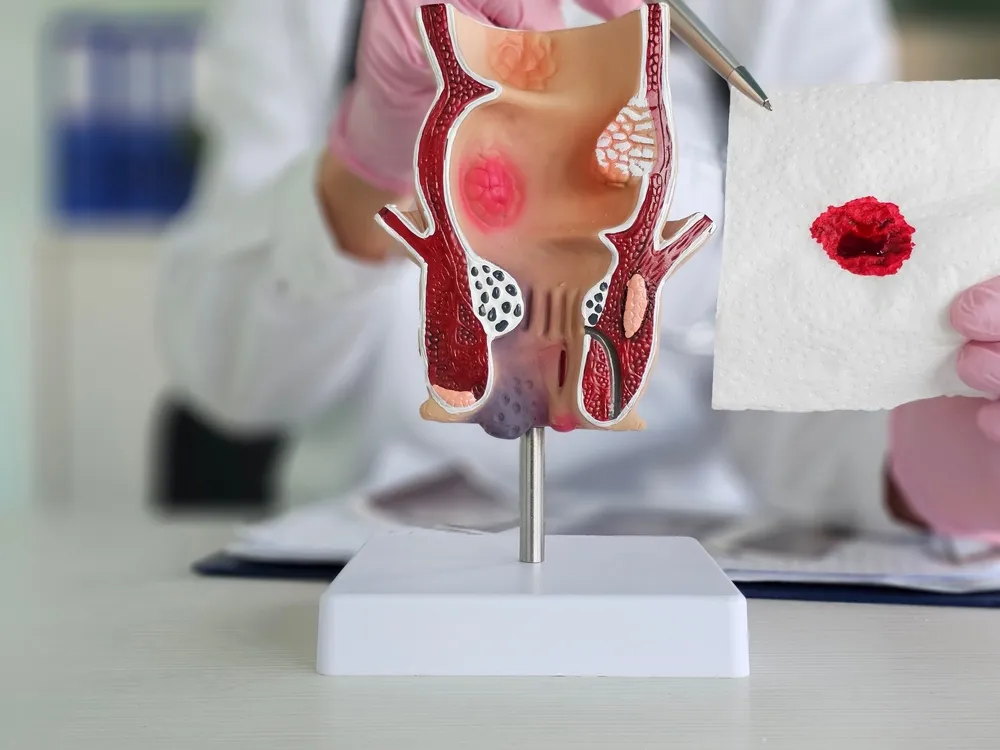
Bleeding from haemorrhoids may stop for a period before returning, sometimes without any obvious change in symptoms. This can happen because the affected tissue remains susceptible to irritation, even after an earlier episode of bleeding has settled. The recurrence may also be influenced by ongoing bowel habits or changes in the haemorrhoids themselves.
However, repeated rectal bleeding should not automatically be attributed to haemorrhoids, even if they have been diagnosed previously. Other conditions can produce similar bleeding patterns, making it important to establish the source before deciding whether further treatment is necessary.
Why Do Haemorrhoids Keep Bleeding?
Haemorrhoids are vascular cushions within the anal canal that can become enlarged or prolapse. When the delicate surface of an internal haemorrhoid becomes irritated or damaged, bleeding may occur during a bowel movement. Even after the bleeding stops, the tissue can remain vulnerable to further irritation.
Several factors may contribute to repeated episodes:
- Straining during bowel movements: Increased pressure in the anal canal can aggravate enlarged haemorrhoids, particularly when straining occurs regularly.
- Hard stools and constipation: Passing hard or bulky stools can irritate the surface of haemorrhoidal tissue, potentially triggering further bleeding.
- Prolapsed haemorrhoids: Internal haemorrhoids that protrude through the anus may be exposed to additional friction and irritation. Depending on the extent of prolapse, they may also cause mucus discharge or discomfort.
When Recurrent Rectal Bleeding Needs Medical Assessment
Rectal bleeding that persists or repeatedly returns should be medically assessed, even if haemorrhoids have been diagnosed previously. The presence of haemorrhoids does not exclude other causes of bleeding, including anal fissures, colorectal polyps or colorectal cancer.
Assessment considers the bleeding pattern alongside the patient's medical history to determine whether further investigation is needed. Examination of the anal and rectal area may help identify the source, while further investigations, such as colonoscopy, may be recommended depending on the findings and individual risk factors.
Certain symptoms warrant particular attention:
- Changes in bowel habits or unexplained weight loss: These may indicate an underlying condition that requires further investigation.
- Increasing anal pain or abdominal pain: Significant or worsening pain may suggest another cause of bleeding or a complication requiring assessment.
- Dizziness, fainting or unusual fatigue: These may indicate substantial blood loss or anaemia, particularly when bleeding has been frequent or prolonged.
- Heavy or ongoing bleeding: Passing large amounts of blood or bleeding that does not stop requires urgent medical attention.
Severe bleeding, fainting or marked dizziness should prompt immediate medical care rather than waiting for a routine consultation.
Treatment Options for Recurrent Haemorrhoid Bleeding
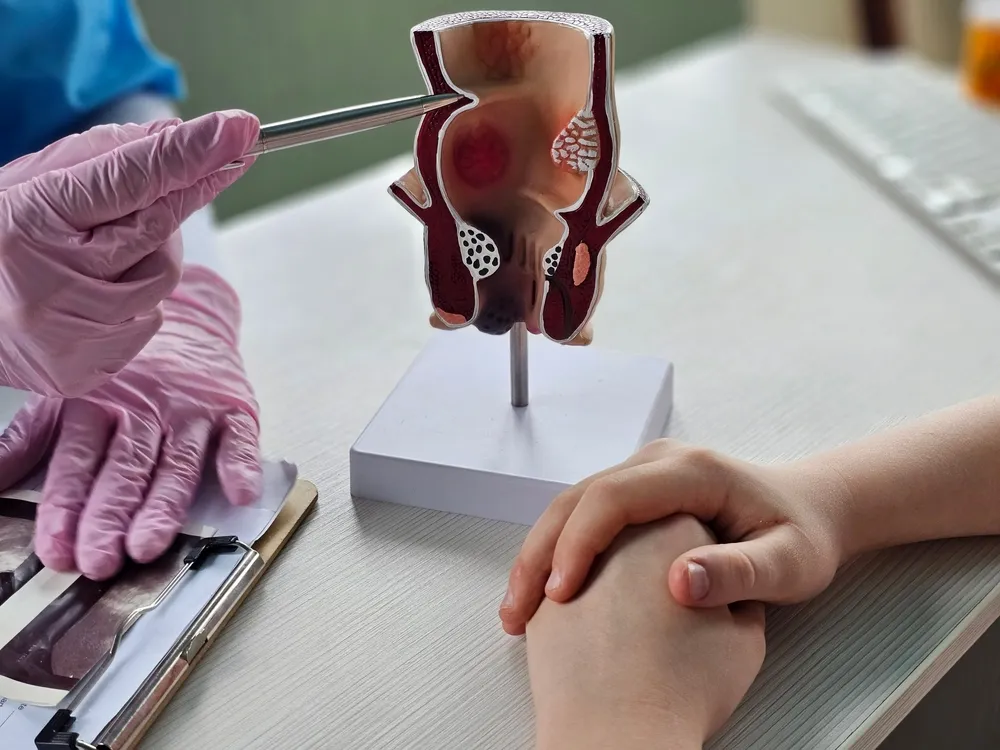
Once haemorrhoids have been confirmed as the source of bleeding, treatment depends on their severity and how symptoms have responded to previous management. Options range from changes in bowel habits to procedures that address the enlarged haemorrhoidal tissue.
Bowel Habit and Lifestyle Measures
Reducing constipation and straining can help limit further irritation of haemorrhoidal tissue. Measures may include increasing dietary fibre and fluid intake where appropriate, maintaining regular physical activity and avoiding prolonged periods on the toilet.
Stool-softening medication or fibre supplements may also be recommended when dietary changes alone are insufficient. These measures can reduce bleeding episodes in some patients, although persistent symptoms may require further treatment.
Rubber Band Ligation and Sclerotherapy
Internal haemorrhoids that continue to bleed despite conservative treatment may be suitable for procedures such as rubber band ligation or sclerotherapy, particularly when the haemorrhoids are not extensively prolapsed.
Options include:
- Rubber band ligation: A small band is placed around the base of an internal haemorrhoid to restrict its blood supply. The treated tissue subsequently shrinks and separates.
- Sclerotherapy: A solution is injected into the haemorrhoidal tissue to produce scarring and reduce bleeding.
Surgical Treatment
Surgery may be considered when haemorrhoids are significantly prolapsed, recurrent bleeding remains troublesome despite other treatments or the condition is unsuitable for less invasive procedures.
Surgical options may include:
- Haemorrhoidectomy: Removal of haemorrhoidal tissue, often considered for larger or more advanced haemorrhoids.
- Stapled haemorrhoidopexy: Repositioning prolapsed internal haemorrhoidal tissue using a circular stapling device. This is considered in selected cases and carries different risks and recurrence considerations from conventional haemorrhoidectomy.
- Haemorrhoidal artery ligation: Identifying and tying off arteries supplying the haemorrhoids, sometimes using Doppler ultrasound guidance. This may be combined with techniques to address prolapsed tissue.
Get to the Bottom of Your Rectal Bleeding With Dr Ho
Repeated rectal bleeding can be difficult to manage when the underlying cause remains uncertain. If symptoms have continued despite previous treatment, reassessment may help establish whether the original diagnosis or management approach needs to be reconsidered.
At Ho Kok Sun Colorectal, Dr Ho Kok Sun provides assessment and treatment for haemorrhoids and other colorectal conditions. For patients with persistent symptoms, this may include determining whether piles surgery is appropriate. Schedule a consultation to investigate your recurrent bleeding and discuss the appropriate next steps.
Frequently Asked Questions (FAQs) About Recurrent Haemorrhoid Bleeding
Can haemorrhoids bleed without causing pain?
Yes. Internal haemorrhoids can cause painless, bright red bleeding because they develop in an area of the anal canal with relatively little sensitivity to pain. However, painless rectal bleeding can also occur with other conditions, so recurrent episodes should not automatically be attributed to haemorrhoids.
Do blood-thinning medications affect haemorrhoid bleeding?
Anticoagulants and antiplatelet medications can increase or prolong bleeding from haemorrhoids. If you take these medications and experience rectal bleeding, seek medical advice to establish the cause. Do not stop or adjust prescribed medication without consulting the doctor managing your treatment.
Why might haemorrhoids bleed more frequently during pregnancy?
Pregnancy can increase pressure on the pelvic veins, while hormonal changes and constipation may contribute to haemorrhoid symptoms. These changes can make existing haemorrhoids more troublesome. However, rectal bleeding during pregnancy should still be assessed rather than assumed to be caused by haemorrhoids.
Can certain exercises aggravate bleeding haemorrhoids?
Heavy lifting and exercises involving repeated straining may increase abdominal pressure and aggravate haemorrhoid symptoms in some individuals. Regular physical activity can still support bowel function and help reduce constipation. If bleeding repeatedly occurs during or after particular exercises, medical assessment can help determine whether haemorrhoids are responsible.
Meet Our Doctor

Dr Ho Kok Sun
Consultant Colorectal & General Surgeon
MBBS (Singapore), M Med (General Surgery) (Singapore)
FRCS (General Surgery) (Edinburgh), FAM (Singapore)
Dr Ho Kok Sun has been committed to treating colorectal conditions through minimally invasive surgical techniques for over two decades. Dr Ho was previously President of the ASEAN Society of Colorectal Surgeons and the Society of Colorectal Surgeons (Singapore), as well as a founding member of the Eurasian Colorectal Technologies Association. Dr Ho was actively involved in the training of medical students and residents and has published widely in reputable journals and book chapters. He believes that treatment should always be personalised to the patient’s needs.