





Your Colorectal Health, Our Priority
With our comprehensive suite of screening services and treatment options, our experienced colorectal specialist and medical team promise you peace of mind whilst ensuring a strong and healthy colon.




Dr Ho Kok Sun
Consultant Colorectal & General Surgeon
Colorectal conditions often develop gradually, sometimes without noticeable symptoms in the early stages. A colonoscopy is a key screening tool that allows doctors to detect changes in the colon, including polyps, inflammation or early signs of cancer. In many cases, it is performed as a preventive measure rather than in response to symptoms.
Being advised to undergo a colonoscopy does not necessarily indicate a serious issue. Instead, it helps provide clarity and allows for early management when needed. Knowing when a colonoscopy is recommended can help you make informed decisions about your digestive health.
Who Should Consider a Colonoscopy?
Colonoscopy is commonly recommended as part of routine screening, particularly as you get older. Even if you feel well, screening can help detect changes before they become more serious.
You may be advised to consider a colonoscopy if you:
- Are aged 45 to 50 and above, even without symptoms
- Have persistent changes in bowel habits
- Notice blood in your stool
- Experience ongoing abdominal discomfort or bloating
- Have unexplained weight loss or fatigue
- Have previously been diagnosed with colon polyps
Recommended Screening Timelines
Colonoscopy screening is usually guided by age and overall risk. For individuals at average risk, screening typically begins at a certain stage of adulthood and is repeated at regular intervals.
General recommendations include:
- Average Risk Individuals: Begin screening at age 45 to 50
- Normal Results: Repeat colonoscopy every 10 years
- Polyps Detected: Follow-up intervals may be shorter depending on the type and number of polyps
- Previous Colorectal Conditions: More frequent monitoring may be advised
These timelines are general guidelines. Your colorectal specialist may adjust the frequency based on your medical history and findings from previous tests.
Non-modifiable Risk Factors for Colorectal Conditions
Some risk factors cannot be changed, but recognising them can help you make informed decisions about when to start screening.
Common non-modifiable risk factors include:
- Age: Risk increases as you get older
- Family History: Having a close relative with colorectal cancer or polyps may increase your risk
- Genetic Conditions: Inherited syndromes can significantly raise the likelihood of developing colorectal cancer
- Personal Medical History: Previous polyps or colorectal conditions may require closer monitoring
Having one or more of these factors does not mean you will develop a serious condition, but it may mean starting screening earlier or undergoing more frequent checks.
Modifiable Risk Factors and Lifestyle Considerations

While some risks are beyond your control, others are related to long-term habits and lifestyle choices. Making adjustments can support overall digestive health and may reduce your risk.
Common modifiable factors include:
- Diet: High intake of processed foods and low fibre diets may affect bowel health
- Physical Inactivity: Regular movement supports healthy digestion
- Smoking: Associated with a higher risk of various cancers, including colorectal cancer
- Alcohol Consumption: Frequent intake may increase risk over time
- Body Weight: Maintaining a healthy weight supports overall health
These factors work together over time. Even small changes can contribute to better long-term outcomes when combined with appropriate screening.
When Earlier Screening May Be Necessary
While routine screening follows general timelines, some individuals may need a colonoscopy earlier than usual. This is often based on symptoms or higher risk.
You may be advised to undergo earlier screening if you:
- Have a strong family history of colorectal cancer
- Experience rectal bleeding or persistent bowel changes
- Have been diagnosed with inflammatory bowel conditions such as ulcerative colitis or Crohn’s disease
- Previously had polyps detected
- Develop unexplained symptoms that do not improve
In these cases, a colonoscopy helps provide clarity and allows for early management if needed.
What to Expect from a Colonoscopy
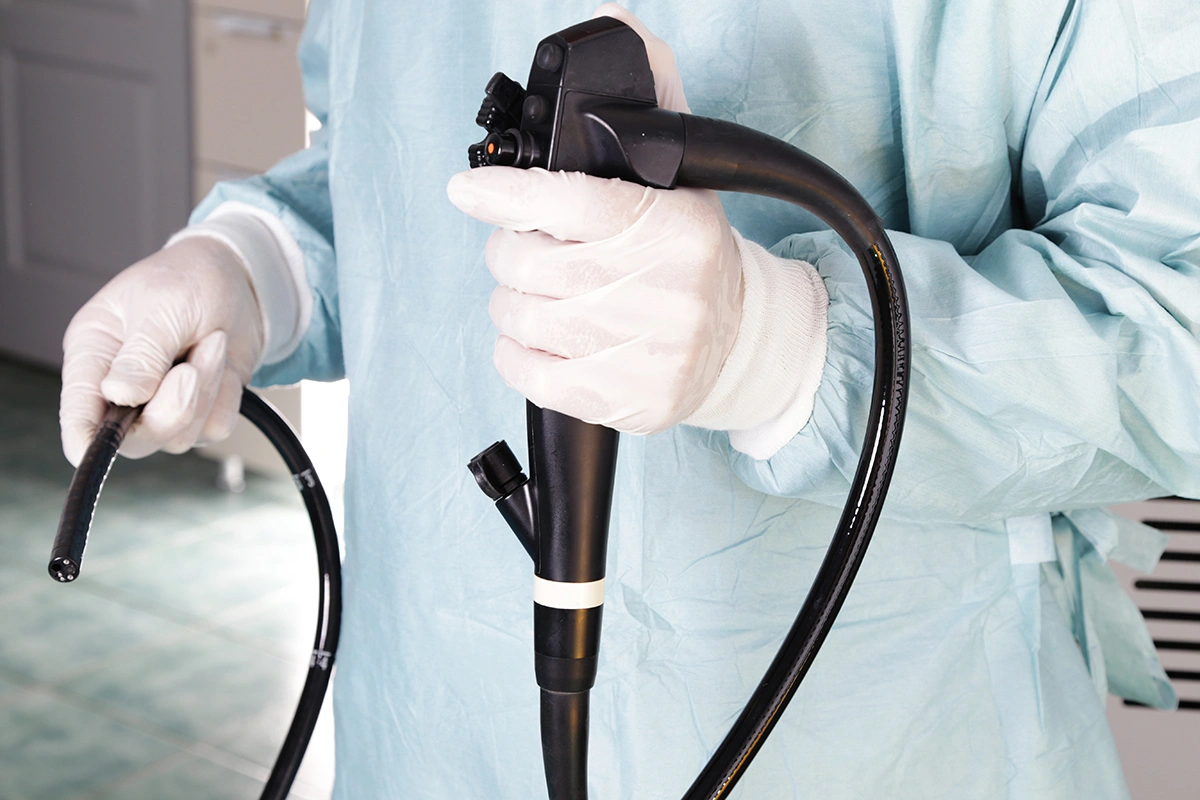
A colonoscopy is a procedure that allows your doctor to examine the lining of the colon using a flexible tube with a camera. It is typically performed under sedation to ensure comfort.
During the procedure:
- The colon is carefully examined for abnormalities
- Polyps, if present, may be removed
- Tissue samples may be taken for further analysis
Most people can return home the same day, with minimal disruption to their routine. Your doctor will explain the findings and advise on any next steps.
A Proactive Approach to Your Bowel Health
Colonoscopy plays an important role in both prevention and early detection. By understanding your risk factors and following recommended screening timelines, you can take a more proactive approach to your health.
If you are unsure whether it is time for a colonoscopy or have concerns about your symptoms, it may be helpful to seek medical advice. At our colorectal clinic led by Dr Ho Kok Sun, your condition is carefully reviewed to determine a suitable screening and care approach. Book a consultation today to move ahead with a clearer plan for your health.
Meet Our Colorectal Surgeon in Singapore

Dr Ho Kok Sun
Consultant Colorectal & General Surgeon
MBBS (Singapore), M Med (General Surgery) (Singapore)
FRCS (General Surgery) (Edinburgh), FAM (Singapore)
Dr Ho Kok Sun has been committed to treating colorectal cancer through minimally invasive surgical techniques for over two decades. Dr Ho was previously President of the ASEAN Society of Colorectal Surgeons and the Society of Colorectal Surgeons (Singapore), as well as a founding member of the Eurasian Colorectal Technologies Association. Dr Ho was actively involved in the training of medical students and residents and has published widely in reputable journals and book chapters. He believes that treatment should always be personalised to the patient’s needs.