





Your Colorectal Health, Our Priority
With our comprehensive suite of screening services and treatment options, our experienced colorectal specialist and medical team promise you peace of mind whilst ensuring a strong and healthy colon.




Dr Ho Kok Sun
Consultant Colorectal & General Surgeon
Facing colon surgery can feel overwhelming, especially when your mind starts racing with questions about what comes next. You may be picturing the days after your procedure, wondering how much rest you will need or when you can return to your usual routine. While every individual heals at their own pace, there is a general timeline that most patients can expect. Knowing what lies ahead allows you to take things one step at a time with greater confidence.
The First Few Days After Surgery
The initial phase of recovery is closely guided by your medical team, with a focus on stabilising your condition and helping your body begin the healing process.
Hospital Recovery and Monitoring
After colon surgery, you will remain in the hospital for observation. For minimally invasive surgery, the stay is usually around three to five days, while open surgery may require closer to five to seven days. During this time, your care team will monitor your progress, manage discomfort and ensure your digestive system is gradually recovering.
You may feel drowsy from anaesthesia and notice some soreness, which is expected. Pain relief will be provided to keep you comfortable, and any tubes or drains used during surgery are typically removed as you improve.
Getting Back on Your Feet
Movement begins sooner than many expect. In fact, you will likely be encouraged to sit up and take short walks within a day or two. Gentle activity plays an important role in preventing complications such as blood clots and helps stimulate bowel function. Your diet will also be introduced step by step, starting with liquids before progressing to soft foods as your body tolerates them.
First Two Weeks at Home
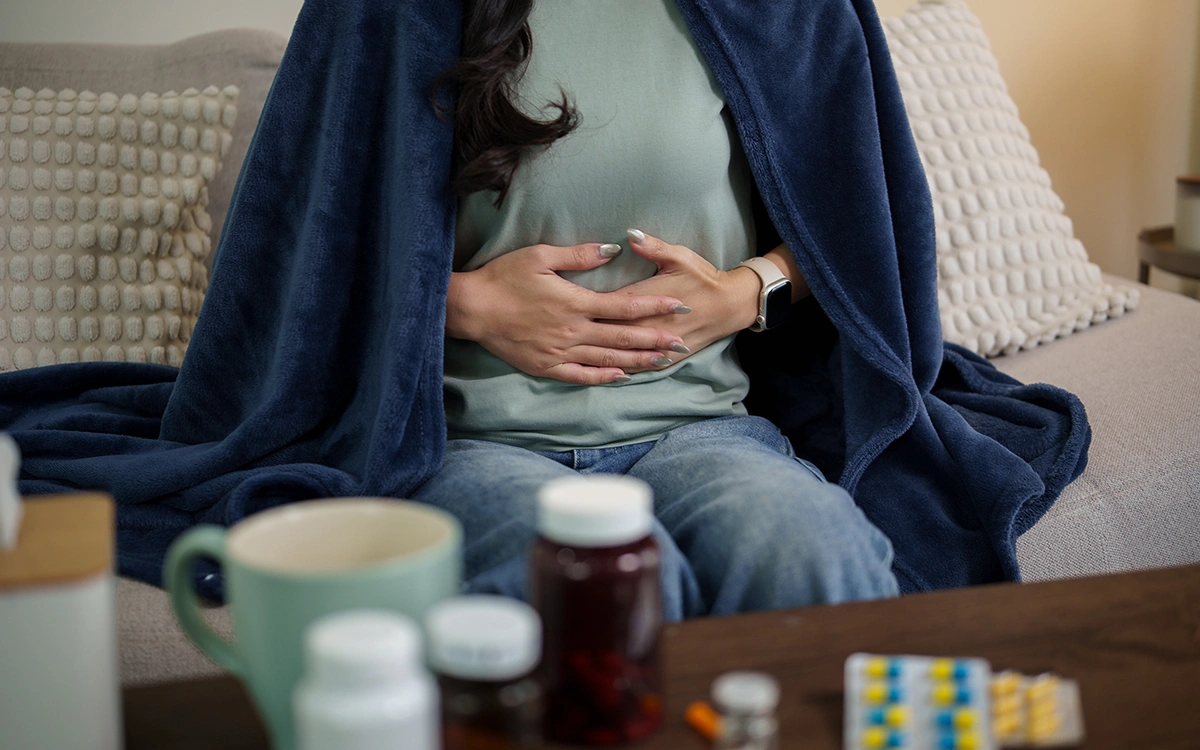
Once you return home, recovery becomes more personal as you ease back into daily life while giving your body the rest it needs.
Adjusting to Daily Life
The first couple of weeks at home are centred around rest and light movement. You may feel easily fatigued, so pacing yourself is key. Short walks each day are encouraged, but strenuous tasks and heavy lifting should be avoided.
Many patients are able to resume light activities within one to two weeks, including simple household tasks. Driving is usually postponed until you are no longer relying on pain medication and feel confident performing sudden movements safely.
Caring for Your Surgical Site
Looking after your incision is essential for proper healing. Keep the area clean and dry, and monitor for any signs of infection such as redness, swelling, discharge or fever. Follow-up appointments during this stage allow your doctor to check your progress and make any necessary adjustments to your care plan.
Weeks Three to Six
As the weeks go by, you may start to notice gradual improvements in your energy levels and overall comfort.
Regaining Strength and Energy
By this stage, many people feel stronger and more capable of resuming everyday activities. Those with desk-based roles may return to work, while others may need additional time depending on the physical demands of their job.
Regular walking continues to support recovery, and you can begin increasing your activity level gradually. However, lifting heavy objects should still be avoided during this period.
Diet and Digestion
Your diet can slowly expand as your digestive system adjusts. In the early weeks, a low-fibre diet is often recommended to reduce strain on the bowel. Over time, you can reintroduce a wider range of foods. It is normal to experience temporary changes in bowel habits, including loose stools or constipation. These irregularities typically improve as your body continues to heal.
Returning to Normal Activities
Between four to eight weeks, many patients are able to return to most of their usual routines, including moderate exercise. However, activities that involve heavy lifting should be avoided for at least six to eight weeks to protect the healing tissues.
Full recovery may take longer for some individuals, especially after more complex procedures. Taking a gradual approach helps ensure a safer and more complete recovery.
Moving Ahead with the Right Support
Recovering from colon surgery takes time, patience and the right support. From your initial hospital stay to gradually regaining your strength at home, each stage plays an important role in your overall healing. By knowing what to expect and listening to your body, you can move forward with greater confidence.
If you are preparing for surgery or finding your footing during recovery, having clear, reliable guidance can help you feel more at ease at every stage. At our colorectal clinic led by Dr Ho Kok Sun, your care plan is thoughtfully tailored to support your progress and long-term well-being. To find out more, book a consultation today and move ahead with the reassurance and support you need.
Meet Our Colorectal Surgeon in Singapore

Dr Ho Kok Sun
Consultant Colorectal & General Surgeon
MBBS (Singapore), M Med (General Surgery) (Singapore)
FRCS (General Surgery) (Edinburgh), FAM (Singapore)
Dr Ho Kok Sun has been committed to treating colorectal cancer through minimally invasive surgical techniques for over two decades. Dr Ho was previously President of the ASEAN Society of Colorectal Surgeons and the Society of Colorectal Surgeons (Singapore), as well as a founding member of the Eurasian Colorectal Technologies Association. Dr Ho was actively involved in the training of medical students and residents and has published widely in reputable journals and book chapters. He believes that treatment should always be personalised to the patient’s needs.