





Your Colorectal Health, Our Priority
With our comprehensive suite of screening services and treatment options, our experienced colorectal specialist and medical team promise you peace of mind whilst ensuring a strong and healthy colon.



Why Colonoscopy Matters Even Without Symptoms
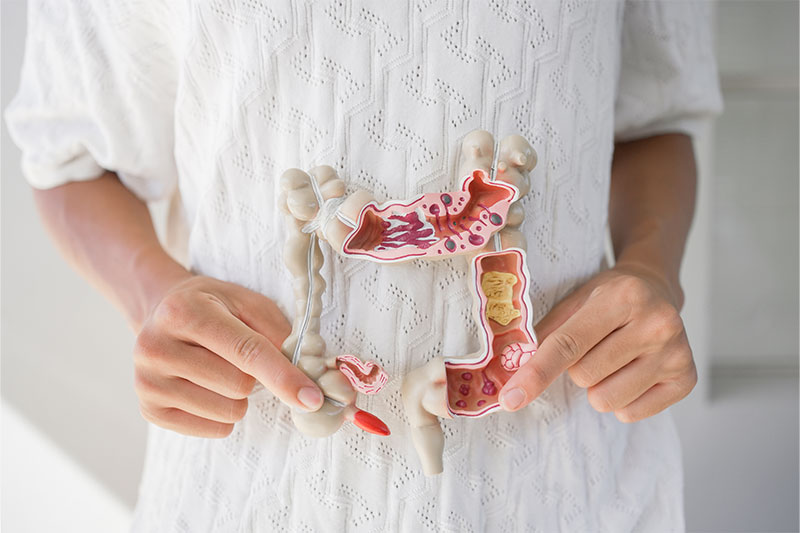
Dr Ho Kok Sun
Consultant Colorectal & General Surgeon
MBBS (Singapore), M Med (General Surgery) (Singapore)
FRCS (General Surgery) (Edinburgh), FAM (Singapore)
If you feel healthy and have no digestive symptoms, it may seem unnecessary to think about colonoscopy screening. Many people assume that medical tests are only needed when something feels wrong. However, colorectal conditions often develop quietly, without obvious warning signs in the early stages.
This is why screening plays such an important role in protecting long term digestive health. A colonoscopy allows doctors to detect early changes in the colon before they progress into more serious problems. Understanding why this test is recommended even when you feel well can help you make informed decisions about preventive care.
Why Screening Is Important Even Without Symptoms
Many colorectal conditions develop gradually and may not cause noticeable discomfort at first. By the time symptoms appear, the condition may already be more advanced.
Early Detection of Colorectal Cancer
Colonoscopy is considered one of the most effective ways to detect colorectal cancer at an early stage. When cancer is identified early, treatment options are often simpler and outcomes tend to be more favourable.
Identification and Removal of Polyps
During a colonoscopy, doctors can identify small growths called polyps in the colon. While many polyps are harmless, some have the potential to develop into cancer over time. Removing these growths early can help prevent future complications.
Monitoring for Hidden Changes
Even when you feel well, subtle changes may be occurring in the digestive tract. Colonoscopy allows doctors to examine the lining of the colon closely and detect abnormalities that may not yet be causing symptoms.
Adults Over the Age of 50
For many individuals, routine screening begins at age 50. This is because the risk of colorectal cancer increases gradually with age. Individuals With a Family History
Individuals With a Family History
If close family members have been diagnosed with colorectal cancer or polyps, your risk may be higher. In such cases, screening may start earlier than the standard recommendation.
People With Digestive Conditions
Those with inflammatory bowel disease, including Crohn’s disease or ulcerative colitis, may require more frequent monitoring due to the increased risk of colorectal changes.
Individuals With Certain Lifestyle Risk Factors
Diet, smoking habits, alcohol consumption and physical inactivity can influence colorectal health. People with multiple lifestyle risk factors may benefit from discussing earlier screening with their doctor.
What Happens During a Colonoscopy?
For many people, uncertainty about the procedure itself can be a barrier to screening. Understanding what to expect can help make the experience feel less intimidating.
Preparation Before the Procedure
Before the examination, patients follow a preparation process to clear the colon. This usually involves dietary adjustments and medication to ensure the colon can be examined clearly.
The Examination Process
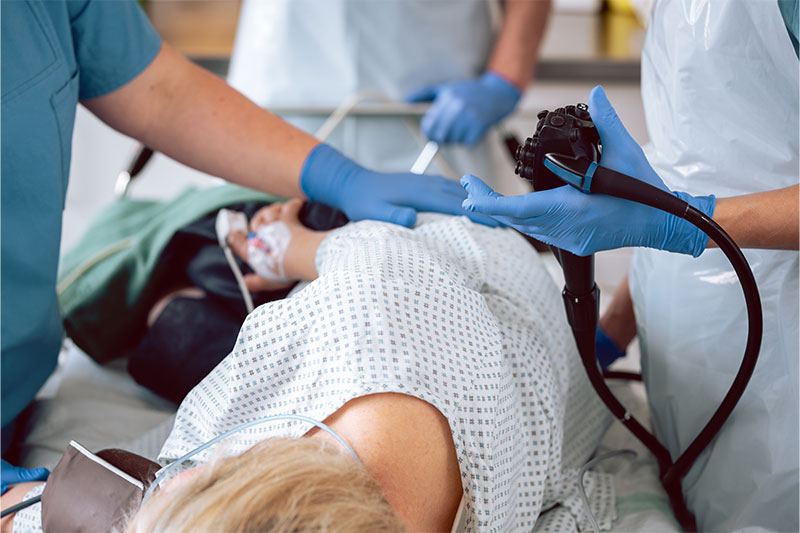
During a colonoscopy, a thin flexible tube with a small camera is gently inserted into the colon. This allows the doctor to carefully inspect the intestinal lining for polyps or other abnormalities.
Recovery After the Procedure
Most colonoscopies are performed as day procedures. Patients are monitored briefly afterwards and are typically able to return home the same day.
Addressing Common Concerns About Colonoscopy
It is common to feel a bit anxious about colonoscopy, particularly if it’s your first time. Many of these concerns stem from misconceptions rather than facts, and understanding the truth can help you make informed decisions about screening.
Fear of Discomfort
Many people worry that colonoscopy will be painful. In reality, modern procedures are performed with sedation, allowing patients to remain relaxed and comfortable throughout the examination.
Thinking It Is Only Needed When Symptoms Appear
It’s a common assumption that colonoscopy is only necessary if you notice symptoms. However, screening is most effective before any signs develop, helping detect issues early when they are easier to manage.
Concern About the Preparation Process
Some patients hesitate because of bowel preparation. While it requires temporary planning and adjustments, this step is essential to ensure clear and accurate results, making the procedure safer and more effective.
Take Charge of Your Colorectal Health with Dr Ho Kok Sun
Understanding your risk factors and taking proactive steps is the best way to protect your colorectal health. A consultation with a specialist can clarify which screening approach is most suitable for you and help you make informed decisions with confidence.
At Ho Kok Sun Colorectal, Dr Ho Kok Sun, works closely with patients to provide personalised guidance, ensuring you understand your options and the steps involved in screening. Book a consultation today to discuss your colorectal health, explore whether colonoscopy is right for you, and take a confident step toward prevention.
Meet Our Colorectal Surgeon

Dr Ho Kok Sun
Consultant Colorectal & General Surgeon
MBBS (Singapore), M Med (General Surgery) (Singapore)
FRCS (General Surgery) (Edinburgh), FAM (Singapore)
Dr Ho Kok Sun has been committed to treating colorectal cancer through minimally invasive surgical techniques for over two decades. Dr Ho was previously President of the ASEAN Society of Colorectal Surgeons and the Society of Colorectal Surgeons (Singapore), as well as a founding member of the Eurasian Colorectal Technologies Association. Dr Ho was actively involved in the training of medical students and residents and has published widely in reputable journals and book chapters. He believes that treatment should always be personalised to the patient’s needs.