





Your Colorectal Health, Our Priority
With our comprehensive suite of screening services and treatment options, our experienced colorectal specialist and medical team promise you peace of mind whilst ensuring a strong and healthy colon.



Are You at Higher Risks of Colorectal Cancer?
Dr Ho Kok Sun
Consultant Colorectal & General Surgeon
MBBS (Singapore), M Med (General Surgery) (Singapore)
FRCS (General Surgery) (Edinburgh), FAM (Singapore)
Have you ever wondered whether your personal health history, lifestyle or family background could affect your risk of developing colorectal cancer? Many people assume this disease only affects older adults or those with obvious symptoms. In reality, several factors can influence your likelihood of developing colorectal cancer, and some of them may not be immediately obvious.
Understanding your risk does not mean assuming the worst. Instead, it helps you make informed decisions about screening, prevention and when to seek medical advice. The earlier colorectal cancer is detected, the more treatment options are available and the better the potential outcomes.
Why Understanding Risk Factors Matters
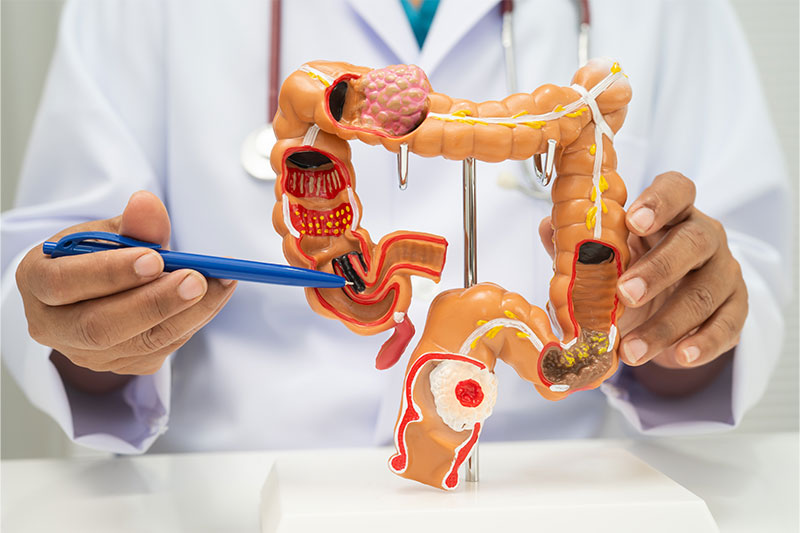
Colorectal cancer often develops slowly over many years. In many cases, it begins as small growths in the colon or rectum known as polyps. While not all polyps become cancerous, some can gradually develop into cancer if left untreated.
Understanding your risk factors can help determine when you should begin screening and how frequently it should be done. It can also highlight areas where small lifestyle adjustments may support long-term digestive health.
Some common risk factors to be aware of include:
Age
Age remains one of the most significant risk factors for colorectal cancer. Most cases are diagnosed in individuals over the age of 50. However, doctors have observed an increasing number of diagnoses among younger adults in recent years. While the overall risk is still higher in older individuals, younger people should not ignore persistent digestive symptoms or assume they are too young to be affected.
Family History and Genetics
A family history of colorectal cancer or colon polyps can increase your risk. If a parent, sibling or close relative has been diagnosed with the disease, your chances of developing it may be higher compared with the general population.
Some inherited genetic conditions can also significantly increase the risk of colorectal cancer. These include Lynch syndrome and familial adenomatous polyposis (FAP). Individuals with these conditions often develop polyps at a younger age and may require earlier and more frequent screening.
Personal Medical History
Certain medical conditions affecting the digestive tract can raise the risk of colorectal cancer. Inflammatory bowel diseases such as Crohn’s disease and ulcerative colitis cause long-term inflammation in the colon, which may increase the likelihood of cancer developing over time.
People who have previously had colorectal polyps are also at higher risk. Although many polyps are benign, some types have the potential to become cancerous if not removed. Regular monitoring and follow-up screenings are usually recommended for individuals with these conditions to detect any changes early.
Lifestyle Factors
Lifestyle choices can also influence the likelihood of developing colorectal cancer. While these factors do not guarantee that cancer will occur, they can contribute to long-term risk. For instance, diets high in red meat or processed meats and low in fibre have been linked to an increased risk of colorectal cancer. Processed meats include items such as sausages, bacon and deli meats. Physical inactivity may also contribute to risk. Regular exercise helps support digestive health and may reduce inflammation within the body.
Other lifestyle factors associated with colorectal cancer include obesity, smoking and excessive alcohol consumption. Maintaining a balanced diet, staying physically active and moderating alcohol intake can support overall digestive health and potentially lower risk.
Personal Medical History
Certain medical conditions may also be linked to a slightly higher risk of colorectal cancer. Type 2 diabetes, particularly when poorly controlled, has been associated with an increased likelihood of developing the disease. Researchers believe that insulin resistance, chronic inflammation and metabolic changes may contribute to this connection.
The Role of Screening
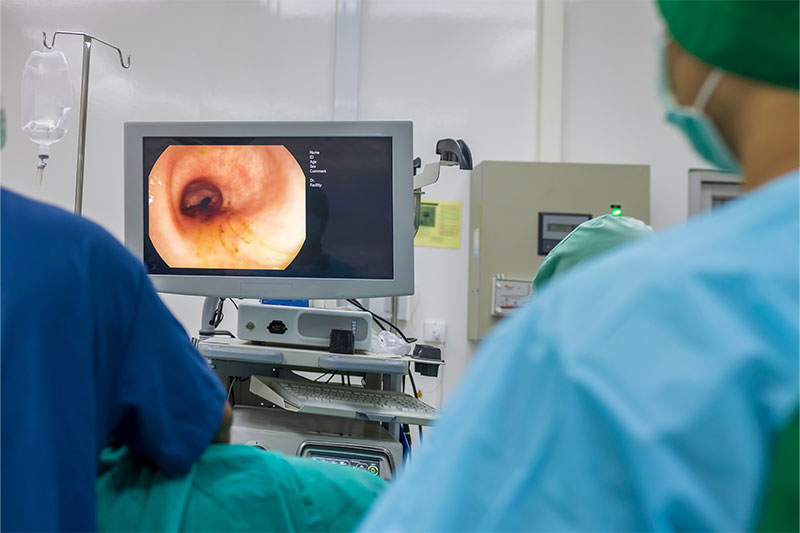
One of the most effective ways to reduce the impact of colorectal cancer is through regular screening. Screening tests can detect precancerous polyps before they become cancerous, allowing doctors to remove them early.
Colonoscopy is considered one of the most comprehensive screening methods because it allows doctors to examine the entire colon and remove polyps during the same procedure if necessary. Other screening methods may include stool-based tests that check for traces of blood or abnormal DNA. Your doctor can recommend the most appropriate screening method based on your age, medical history and overall risk profile.
Taking Charge of Your Colorectal Health
While some colorectal risks cannot be changed, understanding them allows you to take proactive steps towards prevention and early detection. Being aware of your personal risk can guide decisions about screening and encourage healthier habits over time.
If you have concerns or have noticed persistent digestive symptoms, seeking medical advice can help you determine the most appropriate next steps. At Ho Kok Sun Colorectal, patients are guided through careful assessment and personalised care by Dr Ho Kok Sun, a Consultant Colorectal and General Surgeon with extensive experience in the management of colorectal conditions. Contact us to arrange a consultation and take an informed step towards safeguarding your colorectal health.
Meet Our Colorectal Surgeon

Dr Ho Kok Sun
Consultant Colorectal & General Surgeon
MBBS (Singapore), M Med (General Surgery) (Singapore)
FRCS (General Surgery) (Edinburgh), FAM (Singapore)
Dr Ho Kok Sun has been committed to treating colorectal cancer through minimally invasive surgical techniques for over two decades. Dr Ho was previously President of the ASEAN Society of Colorectal Surgeons and the Society of Colorectal Surgeons (Singapore), as well as a founding member of the Eurasian Colorectal Technologies Association. Dr Ho was actively involved in the training of medical students and residents and has published widely in reputable journals and book chapters. He believes that treatment should always be personalised to the patient’s needs.