


Your Colorectal Health, Our Priority
With our comprehensive suite of screening services and treatment options, our experienced colorectal specialist and medical team promise you peace of mind whilst ensuring a strong and healthy colon.





Dr Ho Kok Sun
Consultant Colorectal & General Surgeon
A hernia may appear as a bulge that becomes more noticeable when standing, coughing or lifting, then reduces or disappears when you lie down. If it causes little discomfort or seems to improve with rest, you may wonder whether the condition can resolve without medical treatment.
A hernia occurs when tissue pushes through a weakened area or opening in the surrounding muscle or connective tissue. In adults, most abdominal wall hernias do not heal on their own, even when the bulge becomes less noticeable or symptoms improve. However, this does not mean surgery is always necessary immediately. Whether a hernia can be monitored or requires repair depends on its characteristics and the likelihood of complications.
Why Can't a Hernia Heal on Its Own?
Unlike a minor muscle strain, an established abdominal wall hernia generally cannot heal naturally in adults. This is because the opening or weakened area that allows tissue to protrude does not usually close on its own.
- The underlying defect remains: Pressure inside the abdomen can continue to push tissue through the weakened area, particularly during coughing, lifting or straining.
- A smaller bulge does not mean healing: A hernia may become less noticeable when you lie down because the protruding tissue moves back into the abdomen. The bulge can reappear when you stand or become active.
- Lifestyle changes only manage symptoms: Maintaining a healthy weight and avoiding activities that aggravate discomfort may help reduce symptoms, but these measures cannot repair the opening in the abdominal wall.
Surgery is the only way to repair an established abdominal wall hernia, although not every hernia requires immediate surgical treatment.
What Are the Risks of Leaving a Hernia Untreated?
Some hernias remain relatively stable for years, particularly when they are small and cause few symptoms. Others may gradually enlarge or develop complications. The likelihood of these changes depends on the type and location of the hernia, as well as individual factors.
Possible risks include:
- Gradual enlargement: Pressure within the abdomen may gradually stretch the weakened area, allowing more tissue to protrude. The hernia may become larger or more noticeable over time.
- Increasing discomfort: A hernia may begin to cause more frequent aching, heaviness or pain, particularly during physical activity or prolonged standing. Symptoms may eventually interfere with daily activities.
- Incarceration: Tissue can become trapped within the hernia and cannot be pushed back into the abdomen. This may cause persistent pain or bowel obstruction and requires prompt medical assessment.
- Strangulation: The blood supply to trapped tissue becomes restricted, potentially causing tissue damage. A strangulated hernia is a medical emergency requiring urgent surgery.
When Is Hernia Treatment Recommended?
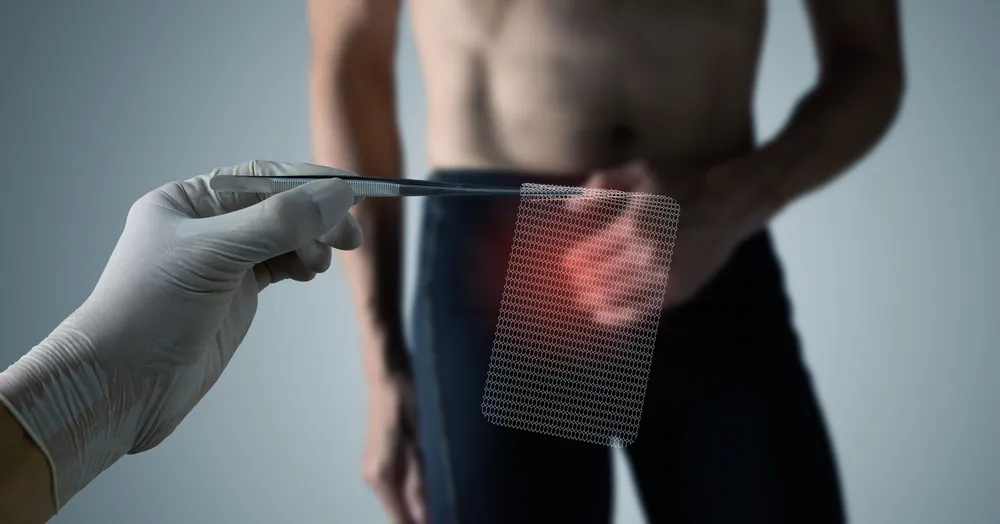
Not every hernia requires immediate surgery. Watchful waiting may be appropriate for certain hernias that cause few or no symptoms, depending on the hernia type and individual risk factors. The decision to recommend surgical repair considers how the hernia affects daily life and whether delaying treatment could increase the risk of complications.
When Symptoms Affect Daily Activities
Surgical repair may be considered when hernia-related discomfort begins to interfere with work, exercise or everyday activities. The severity and frequency of symptoms help determine whether continued monitoring remains appropriate or treatment would be more suitable.
When the Hernia Becomes More Difficult to Reduce
A hernia that becomes increasingly difficult to push back into the abdomen may require surgical assessment, even if discomfort remains manageable. Changes in reducibility can affect the suitability of watchful waiting and the decision to proceed with repair.
Warning Signs That Require Emergency Care
Certain symptoms may indicate that tissue has become trapped within the hernia or that its blood supply is compromised. Seek emergency medical attention if you experience:
- Sudden or severe pain around the hernia
- A firm, tender bulge that cannot be pushed back into the abdomen
- Redness, darkening or discolouration of the skin over the hernia
- Persistent vomiting or significant abdominal swelling
- Inability to pass stools or gas, particularly with abdominal pain
These symptoms may indicate bowel obstruction or strangulation, which can require emergency surgery. Do not attempt to force a painful or irreducible hernia back into place.
Find Out Whether Your Hernia Needs Treatment
A hernia that causes little discomfort may not require immediate surgery, but its appearance and symptoms alone cannot determine whether watchful waiting is appropriate. Assessment considers the type of hernia, whether it can be reduced and the potential risks of delaying repair.
At our colorectal clinic in Singapore, Dr Ho Kok Sun provides assessment and surgical treatment for hernias, including hernia repair where appropriate. If you have noticed a persistent bulge or changes in an existing hernia, arrange a consultation to discuss your treatment options.
Frequently Asked Questions (FAQs) About Hernia Treatment
Can wearing a hernia belt help prevent my hernia from getting worse?
A hernia belt may provide temporary support and relieve discomfort, but it does not repair the underlying defect or reliably prevent the hernia from worsening. It should only be used with medical guidance, as an improperly fitted belt may cause discomfort or place pressure on the hernia. It is not a substitute for surgical repair when this is recommended.
Is it safe to exercise if I have a hernia?
Light to moderate exercise may be suitable for some people with a hernia, depending on its type and symptoms. Activities that involve heavy lifting or straining may increase abdominal pressure and aggravate discomfort. Exercise recommendations should account for the hernia's characteristics and whether surgical repair is planned.
Can a hernia come back after surgery?
Yes. A hernia can recur after surgical repair, although the likelihood varies depending on the hernia type, repair technique and individual health factors. Factors such as smoking, obesity and poor wound healing may increase recurrence risk. Following postoperative activity restrictions and managing relevant risk factors can help support recovery.
Meet Our Doctor

Dr Ho Kok Sun
Consultant Colorectal & General Surgeon
MBBS (Singapore), M Med (General Surgery) (Singapore)
FRCS (General Surgery) (Edinburgh), FAM (Singapore)
Dr Ho Kok Sun has been committed to treating colorectal conditions through minimally invasive surgical techniques for over two decades. Dr Ho was previously President of the ASEAN Society of Colorectal Surgeons and the Society of Colorectal Surgeons (Singapore), as well as a founding member of the Eurasian Colorectal Technologies Association. Dr Ho was actively involved in the training of medical students and residents and has published widely in reputable journals and book chapters. He believes that treatment should always be personalised to the patient’s needs.